State guide · AZ
How to Buy Your First Rental in Arizona
A beginner's guide to your first Arizona rental: a 2.5% flat income tax, low property taxes, no rent control, a 5-day eviction notice, and rising heat-driven insurance costs.
9 min read · Data as of May 29, 2026
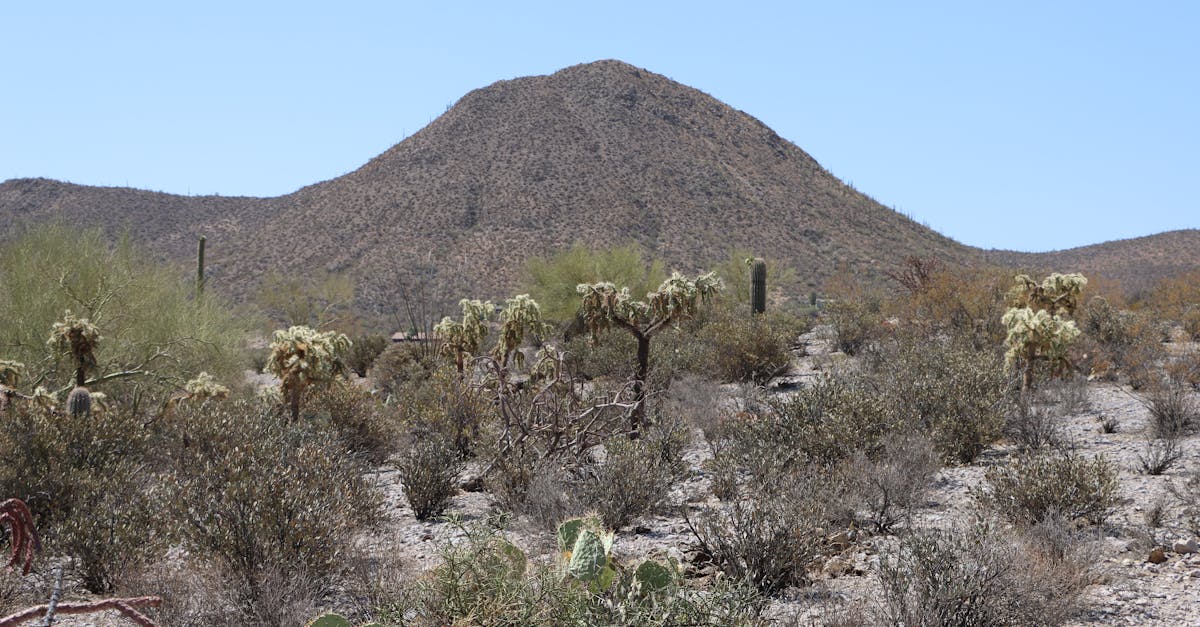
Arizona at a glance
- State income tax
- 2.5% flat
- Effective property tax
- ~0.4–0.85%
- Notice to vacate
- 5 days (nonpayment)
- Deposit return
- 14 business days
- Eviction (uncontested)
- ~3–5 weeks
- Top metros
- Phoenix metro · Tucson
Figures are educational estimates compiled from public sources, as of May 29, 2026. Verify locally before acting.
What this guide covers
- ✓Why Arizona's low taxes and no rent control favor landlords, and where the catch is
- ✓How the Arizona eviction process works, step by step, and how long it takes
- ✓The security-deposit and notice rules every Arizona landlord must follow
- ✓Which Phoenix-metro and Tucson submarkets suit a first rental, and the insurance reality
Arizona has been one of the most popular landlord states in the West for a decade, and the appeal is easy to see: a fast-growing population pouring into the Phoenix metro, a rock-bottom 2.5% flat income tax, low property taxes, and no rent control anywhere in the state. For a first-time rental investor those are real, structural advantages. But Arizona also has a fast-emerging catch that’s reshaping deals in real time — insurance and cooling costs are climbing hard, driven by extreme heat — and a beginner who underwrites on yesterday’s premiums can get burned. This guide is about capturing the upside while pricing in the part that’s changing.
We’ll walk through the tax picture, the law you’ll operate under, and where in the state a first rental actually pencils out. Because Q Mortgage LLC currently originates loans in Texas, the financing notes here are general and educational; the market and legal research is yours to verify locally before you act.
The Arizona tax picture
Arizona’s taxes are genuinely investor-friendly across the board.
Property taxes are low. Arizona’s statewide effective rate runs around 0.4% to 0.5%, among the lowest in the country. There’s real variation by county: Maricopa County (Phoenix metro) is one of the lowest in the state, with effective rates near 0.4%, while Pima County (Tucson) runs higher, in the 0.78% to 0.85% range. On a $450,000 Phoenix-area rental at 0.45%, that’s roughly $2,000 a year — a light tax load for the price point. Note that Arizona splits property into assessment classes, and non-owner-occupied rental property is taxed in a different class than an owner-occupied home, so confirm the rate that applies to a rental rather than the homeowner figure.
Term check — “effective property tax rate”: the actual annual tax divided by the property’s market value, expressed as a percent. In Arizona, rentals fall in a different assessment class than owner-occupied homes — quote the rental-class number, and remember Tucson’s Pima County runs roughly double Phoenix’s Maricopa rate.
On the income side, Arizona has a flat income tax of 2.5% — one of the lowest flat rates in the nation, in place for all filing statuses and income levels since tax year 2023. Your rental’s net income is taxed at the state level (federal taxes apply separately), but at 2.5% the state bite is small. Between the low flat income tax and low property taxes, Arizona keeps more of your rental’s cash flow in your pocket than most states — which matters, because the other costs are rising.
One Arizona-specific tax item to know: the state has a Transaction Privilege Tax (TPT) that, in many cities, historically applied to residential rental income. Arizona changed this — a statewide law eliminated the municipal tax on long-term residential rentals — so a standard long-term single-family lease should not owe rental TPT as of 2026. Short-term and vacation rentals are different and remain taxable. If you’re buying a conventional long-term rental this likely won’t touch you, but confirm with a local CPA before you assume, especially if you ever consider a short-term play.
Arizona landlord-tenant law: what you’re signing up for
Arizona’s residential rentals are governed by the Arizona Residential Landlord and Tenant Act, and the state is generally considered landlord-friendly — fast process, no rent control, and clear statutory procedures. As always, the speed is only an advantage if you follow the steps exactly.
No rent control
Arizona prohibits cities and counties from enacting rent control or rent stabilization — it’s barred at the state level. When a lease ends or renews, there’s no legal cap on the increase (you must still give proper notice for the lease type). For a landlord that’s a meaningful advantage: you can adjust to market without a regulatory ceiling. As of 2026, periodic political pushes to grant cities rent-control power (Tucson has asked) have not changed the statewide ban — but it’s a policy worth watching.
Security deposits
Arizona’s deposit rules have two beginner-critical specifics. First, the deposit is capped at one-and-a-half (1.5) months’ rent. Second, the return clock is 14 business days after the tenancy ends and the tenant returns possession — notably faster than the 30-day norm in most states, and counted in business days, so mark your calendar carefully. You must provide an itemized list of any deductions. Miss the deadline or skip the itemization, and the tenant can pursue the wrongfully withheld amount plus damages up to twice the deposit. Document condition with dated photos and move quickly after move-out.
How an Arizona eviction actually works
You hope never to use this. You must understand it anyway. Here’s the sequence for the most common cause, nonpayment of rent:
- Five-day notice. For nonpayment, you serve a written 5-day notice demanding the unpaid rent (and any late fees allowed by the lease); if it isn’t paid within five days, the lease terminates. For a material health-and-safety violation, the notice can be 5 days; for other lease violations, 10 days to cure.
- File the complaint. If the tenant doesn’t pay or cure, you file a “special detainer” action in justice court.
- Speedy trial. Arizona schedules eviction trials quickly — often within a couple of weeks of filing. The hearing is usually brief.
- Judgment. If you win, the court enters judgment for possession (and typically rent owed).
- Writ of restitution. The court issues a writ after a short waiting period; a constable then oversees removal if the tenant still hasn’t left.
An uncontested Arizona eviction commonly runs about three to five weeks from notice to possession — fast by national standards, but never instant, and longer if contested or the court is backed up. Budget for at least a month of lost rent plus filing and turnover costs. The lesson is the same everywhere: screen so well you almost never file. (See the tenant screening checklist.)
Where to buy your first Arizona rental
Arizona is, for practical purposes, two big metros — Phoenix and Tucson — plus smaller markets. For a first rental, the goal is steady cash flow and manageable risk.
Phoenix metro (the Valley)
The economic engine of the state, the Phoenix metro (“the Valley”) sprawls across dozens of cities and has absorbed years of heavy in-migration drawn by jobs, sunshine, and relative affordability. Core Phoenix and trendy suburbs like Scottsdale are pricey, but the metro is enormous, and first-timers usually find workable numbers in the mid-tier suburbs — communities in the West Valley and outer East Valley where prices step down from the core. Deep tenant demand and economic diversity make it a lower-volatility place to learn. The cautions are real, though: appreciation has cooled from its frenzy, and rents have softened in spots as a wave of apartment supply was delivered, so don’t underwrite to the rent spikes of a few years ago.
Tucson
Arizona’s second metro, Tucson, is anchored by the University of Arizona, healthcare, and a major military presence (Davis-Monthan). It’s more affordable than Phoenix and tends to be steadier, with solid workforce-rental demand — an attractive profile for a cash-flow-focused beginner. The trade-off is higher property taxes (Pima County runs roughly double Maricopa’s rate), so run the tax line carefully and don’t assume Phoenix-level rates carry south. The student and military demand also means understanding your submarket: a property near campus rents differently (and turns over differently) than a family rental on the city’s east or northwest side.
A note on the rest of the state: markets like Flagstaff (high-altitude, cold winters, expensive, lifestyle-driven) and the booming retiree and second-home corridors behave very differently from the two big metros, and several carry their own water, HOA, or seasonality quirks. For a first rental, the depth of the Phoenix metro or the affordability of Tucson is usually the more forgiving classroom than a small or specialized market.
Term check — “rent-to-price ratio”: monthly rent divided by purchase price. A $1,800 rent on a $400,000 house is 0.45%. Higher is better for cash flow. Arizona’s ratios are middling, and rising insurance and cooling costs eat into the net, so favor stronger ratios than the headline price alone suggests.
Insurance, heat, and the cost line that’s changing fast
This section is the one that separates a careful Arizona first-timer from a burned one, because it’s where the state’s economics are shifting most.
Insurance premiums have surged. Arizona home insurance rates rose roughly 70% from 2020 to 2025 — far faster than inflation — pushing average premiums toward the $2,300+ range statewide, with Phoenix slightly above that. Extreme heat is a core driver: Phoenix averages over 100 days a year above 100°F, which degrades roofing, HVAC, and exterior materials far faster than in cooler climates, raising both claims and replacement costs. Wildfire risk near the wildland edges adds to it.
Water is the other long-horizon question worth a beginner’s awareness. Arizona’s growth has run alongside a multi-decade discussion about groundwater and Colorado River supply, and some fast-growing fringe areas have faced new limits on building approvals tied to assured water supply. This is unlikely to affect a single existing rental in an established neighborhood, but it’s a reason to favor mature, fully-served submarkets over speculative far-edge developments for a first deal — the established areas have the water and infrastructure questions already answered.
There are two practical consequences of the heat-and-insurance story for your underwriting:
- Cooling is a real, large operating cost. Air conditioning isn’t optional in an Arizona summer — it’s a life-safety system, and AC repairs/replacement are a meaningful capex line. Budget for HVAC the way a cold-climate landlord budgets for heating, and confirm the unit’s age and condition during due diligence.
- Quote insurance on the specific address before your contingency ends. With premiums climbing this fast, a national average or a seller’s old policy will understate your real cost. A premium that’s hundreds more than you assumed can flip a thin Arizona deal from cash-flowing to break-even. Pull the quote early.
A realistic Arizona first-rental checklist
- Use the rental assessment class. Confirm the non-owner-occupied property-tax rate, and remember Tucson’s Pima County runs roughly double Phoenix’s.
- Quote insurance — early and on the exact address. Arizona premiums are rising fast; an old policy understates your real cost.
- Budget HVAC like a heating system. AC is life-safety here; confirm the unit’s age and reserve for replacement.
- Respect the deposit clock. 14 business days to return, 1.5-month cap, itemization required, double-damages penalty for getting it wrong.
- Underwrite to today’s softer rents. Appreciation and rent spikes have cooled; don’t bank on the recent peak.
- Use the no-rent-control freedom responsibly. You can raise to market — keeping good tenants still beats turnover.
- Screen ruthlessly. Arizona’s fast 5-day-notice eviction is a backstop, not a business plan.
Arizona rewards investors who pair its structural advantages — low flat income tax, low property taxes, no rent control, deep demand — with honest budgeting for the costs that are climbing. Get the insurance and cooling math right up front, follow the Residential Landlord and Tenant Act to the letter, and pick a durable suburban submarket, and your first Arizona rental can be a strong, cash-flow-minded start.
Educational figures above are compiled from public sources and current as of the date shown; rates, rents, premiums, and rules change and vary by county and city. Verify current numbers with the county assessor and a local professional before acting.
Going the DSCR route?
When you're ready to compare investor-loan options, our data partner breaks down how DSCR loans actually qualify a rental using the property's own cash flow instead of your W-2.